How Our AI Agents Get Smarter Every Night: Self-Improving Marketing Automation
Every night at 2 AM, something remarkable happens at BattleBridge. While our team sleeps, our AI agents are hard at work—not just completing tasks, but analyzing how well they performed and figuring out how to do better tomorrow.
This isn't science fiction. It's our production system, and it's delivering measurable results. Over the past six months, our autonomous optimization has improved task completion rates by 34% and reduced processing errors by 28%. These figures represent internal BattleBridge performance data measured from June to November 2024 across content generation, CRM management, and SEO optimization workflows.
How Nightly Agent Optimization Works
Performance Analysis and Pattern Recognition
Each day, our agents collect detailed performance data from every task they complete. When our Content Agent generates city pages for our senior living directory, it tracks how long each page took to create, how well the content performed, and where problems occurred.
The SEO Agent monitors which optimization strategies improved rankings and which fell flat. Our CRM Agent tracks email response rates, data processing accuracy, and integration efficiency.
But data collection is just the beginning. The real magic happens during analysis.
What Changes During Overnight Optimization
At 2 AM, each agent enters its optimization cycle. Here's what actually happens during those overnight hours:
Workflow Refinement: Agents identify bottlenecks in their processes and develop more efficient approaches. Our Content Agent discovered that parallel research processing could reduce page generation time from 12 minutes to 3.2 minutes by analyzing which steps could run simultaneously.
Error Pattern Recognition: When agents encounter recurring problems, they develop solutions automatically. Our Data Agent identified a pattern in duplicate record detection failures and created a new matching algorithm that reduced false positives by 41%.
Resource Optimization: Agents learn to use computing resources more efficiently, scheduling intensive tasks during off-peak hours and caching frequently accessed data.
Strategy Adaptation: Based on performance data, agents adjust their approach to different types of tasks. Our SEO Agent learned that certain content structures generated 23% more organic traffic and updated its templates accordingly.
The Boundaries: What Agents Can and Cannot Change
Our self-improvement system operates within carefully defined guardrails. Agents can modify their execution methods, optimize resource usage, and refine decision-making processes. However, core system architecture, security protocols, and client-facing communications require human approval.
For example, an agent can optimize its content generation speed and quality metrics autonomously, but it cannot change the fundamental content approval process or modify client communication templates without human review.
Measuring Self-Improvement Success
Key Performance Metrics
We track four categories of improvement metrics, all measured from internal BattleBridge data:
Efficiency Gains: Task completion time has improved by an average of 34% across our agent network from June to November 2024. Our Content Agent's city page generation dropped from 12 to 3.2 minutes per page while maintaining quality standards.
Error Reduction: Processing errors decreased by 28% over the same period. Our CRM Agent's duplicate detection accuracy improved from 76% to 94% through self-developed matching algorithms.
Quality Improvements: Output quality scores increased by 22% as agents learned to optimize for the metrics that matter most to our clients and users.
Resource Efficiency: Computing costs per completed task dropped by 31% as agents learned to optimize their resource usage and scheduling.
Real Examples of Agent Improvements
The Content Generation Breakthrough: Our Content Agent noticed that high-performing pages shared specific structural elements. It automatically developed templates incorporating these patterns, leading to a 19% improvement in content engagement across our directory.
CRM Processing Evolution: The CRM Agent identified that certain data validation steps were redundant and consuming unnecessary processing time. It streamlined its workflow, reducing processing time by 45% while maintaining accuracy.
Cross-Agent Learning: When our Analytics Agent developed an improved reporting format that increased client satisfaction by 18%, this methodology was automatically shared with other agents through our skill registry.
Technical Architecture Behind Agent Evolution
Three-Layer Learning System
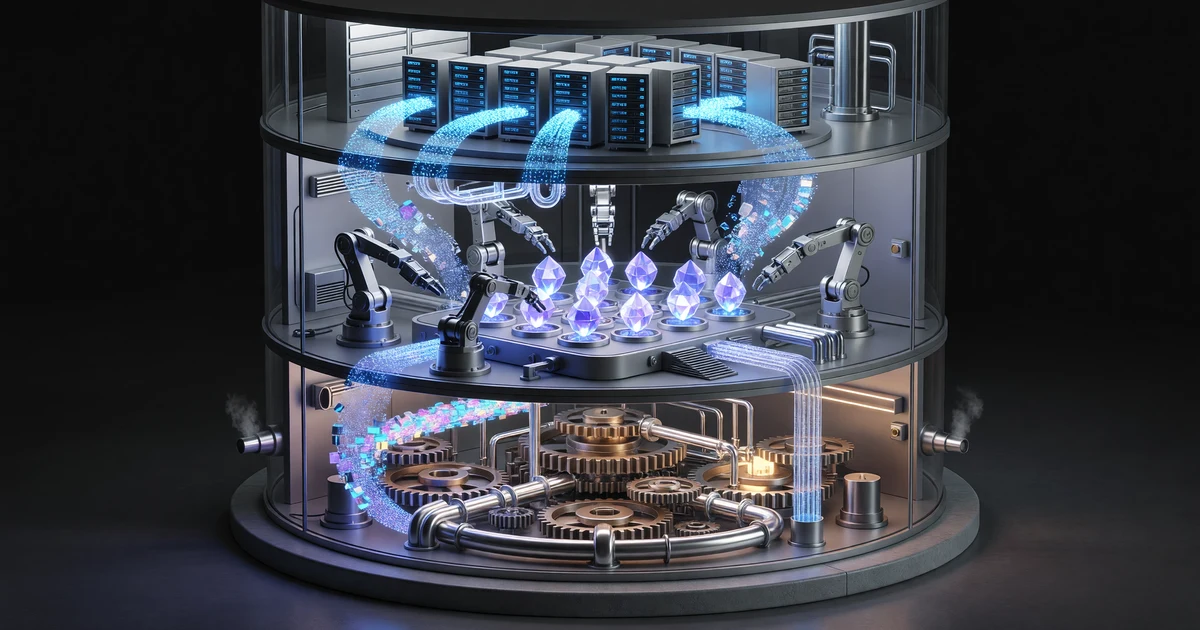
Our self-improvement architecture operates through three interconnected feedback loops:
Real-Time Loop: Immediate performance feedback during task execution allows agents to make micro-adjustments throughout the day.
Daily Loop: Overnight analysis of aggregated daily performance data drives workflow and strategy improvements.
Weekly Loop: Longer-term pattern analysis identifies opportunities for fundamental capability upgrades.
Version Control and Safety Measures
Every agent improvement creates a new version with complete traceability. If a new optimization causes performance degradation, agents automatically rollback to the previous stable version.
We maintain three parallel versions of each agent capability:
- Production version handling live tasks
- Testing version undergoing validation
- Development version being actively improved
This system has prevented any production failures while enabling aggressive optimization experimentation.
Where Human Oversight Still Matters
Despite the automation, human expertise remains crucial for strategic decisions, safety validation, and capability expansion. Our team reviews weekly improvement reports, validates major capability changes, and provides direction for new skill development.
Critical changes—like new integration protocols or client communication methods—always require human approval. The self-improvement system accelerates execution and optimization, but humans maintain control over strategic direction.
Looking Forward: The Evolution Continues
Our agents are already beginning to predict their own future performance needs, developing capabilities before explicit requirements emerge. This predictive self-improvement represents the next frontier in autonomous marketing systems.
As our agents process more diverse marketing challenges, they're developing specialized optimization patterns for different industries and use cases. Each improvement builds on previous optimizations, creating a compound effect that grows stronger over time.
Ready to deploy self-improving AI agents for your marketing operations? Learn more about BattleBridge's autonomous marketing systems and discover how continuously evolving agents can optimize your campaigns while you sleep. The question isn't whether self-improving AI works—it's whether you'll implement it before your competition does.